
In the digital age, securing online accounts has become more critical than ever. As more aspects of daily life move online—banking, communication, work systems, and personal data storage—the value of a single compromised account has increased dramatically. Two-factor authentication (2FA) is no longer a "nice to have" security feature; it is a baseline requirement for anyone who takes digital safety seriously.
Traditional password-only authentication has proven to be fundamentally flawed. Even strong passwords are vulnerable to phishing, data breaches, keyloggers, and credential-stuffing attacks. Users reuse passwords across multiple platforms, attackers automate brute-force attempts, and leaked databases circulate indefinitely on underground markets. In this environment, relying solely on a password is an unacceptable risk.
Two-factor authentication addresses this weakness by introducing a second, independent verification step. This second factor typically falls into one of three categories: something you have (such as a mobile device or hardware key), something you are (biometric data like fingerprints or facial recognition), or something you know (a one-time code). By requiring an attacker to compromise both factors simultaneously, 2FA dramatically reduces the success rate of account takeovers.
The effectiveness of 2FA is not theoretical. Numerous security studies and real-world incident reports consistently show that enabling 2FA blocks the vast majority of automated attacks. Even when login credentials are exposed, attackers are stopped at the second step. This simple barrier changes the economics of cybercrime: what was once a quick, low-cost attack becomes time-consuming and unreliable.
However, not all 2FA methods are equally secure. SMS-based verification, while better than nothing, is vulnerable to SIM-swapping and telecom-level attacks. App-based authenticators and hardware security keys offer significantly stronger protection. Organizations and individuals who are serious about security should prioritize these methods and treat SMS as a transitional solution rather than a long-term strategy.
Beyond technical protection, 2FA also plays an important psychological role. It encourages better security habits by reminding users that account access is valuable and worth protecting. This shift in mindset matters. Security failures are often not the result of sophisticated exploits, but of complacency and convenience overriding caution.
From a business perspective, the case for 2FA is even stronger. Account breaches lead to financial loss, reputational damage, regulatory penalties, and erosion of user trust. Implementing 2FA is far cheaper than responding to an incident after the fact. Any organization that still treats 2FA as optional is accepting unnecessary risk and signaling outdated security practices.
Critics sometimes argue that 2FA introduces friction and harms user experience. This argument no longer holds. Modern authentication flows are fast, familiar, and well-understood by users. The minimal inconvenience of a second step is insignificant compared to the consequences of compromised data. Security that is slightly inconvenient is still infinitely better than security that fails silently.
As cyber threats continue to evolve, defensive measures must evolve with them. Two-factor authentication is not a complete security solution on its own, but it is a foundational control that every modern system should implement by default. Ignoring it is not a neutral choice—it is an active decision to remain exposed.
In short, 2FA represents the minimum standard for responsible digital security today. Individuals should enable it wherever possible, and organizations should enforce it without exception. In an environment where attacks are automated, scalable, and persistent, layered authentication is no longer optional—it is essential.
Back • 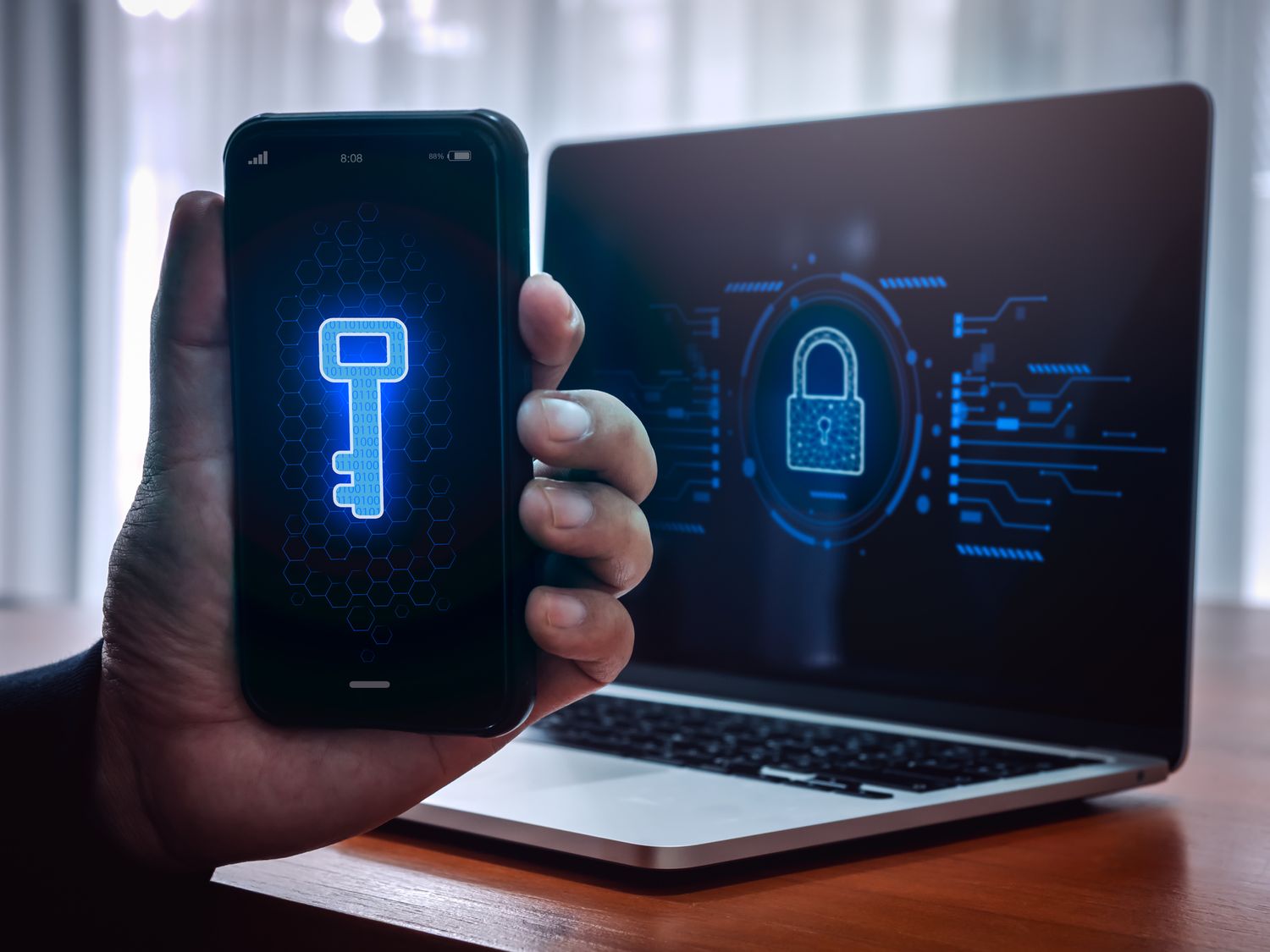
Security 8 min
Account Security: 10 Reasons Why Two-Factor Authentication (2FA) Is Essential
Discover the importance of two-factor authentication in protecting your online accounts from increasingly sophisticated cyber threats.
N
Nguyen An Ninh
Security Specialist
#2FA
#Security
#Authentication
#Cybersecurity
N
Nguyen An Ninh
Security Specialist
Expert in digital services and technology, always keeping up with the latest trends to bring valuable insights to readers.